
DRAFT SYSTEM QUICK TIPS Direct Draw
Troubleshooting Your Direct Draw Beer System
Direct Draw CO2
A fast field guide for diagnosing foamy or slow-pouring draft beer — before you call for service.
Step 1: Identify the Gas System
Pressure is set by Mountain Draft Technician; your job here is to check and report, not adjust.
Straight CO2
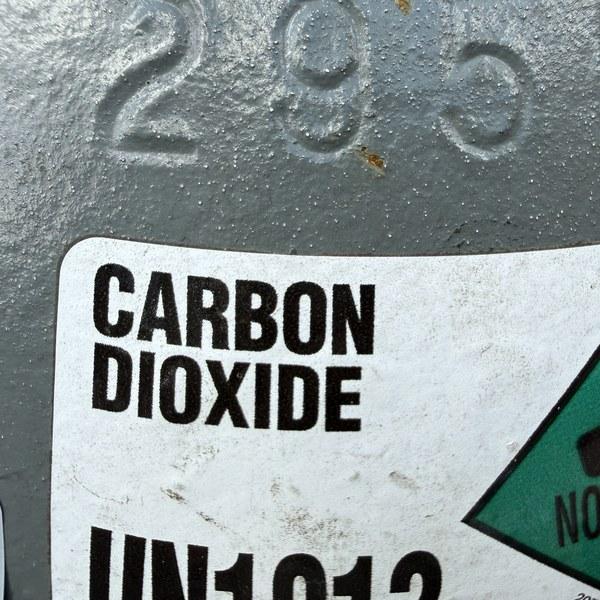
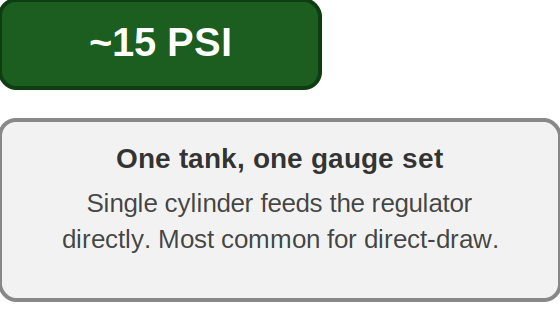
Checking the regulator
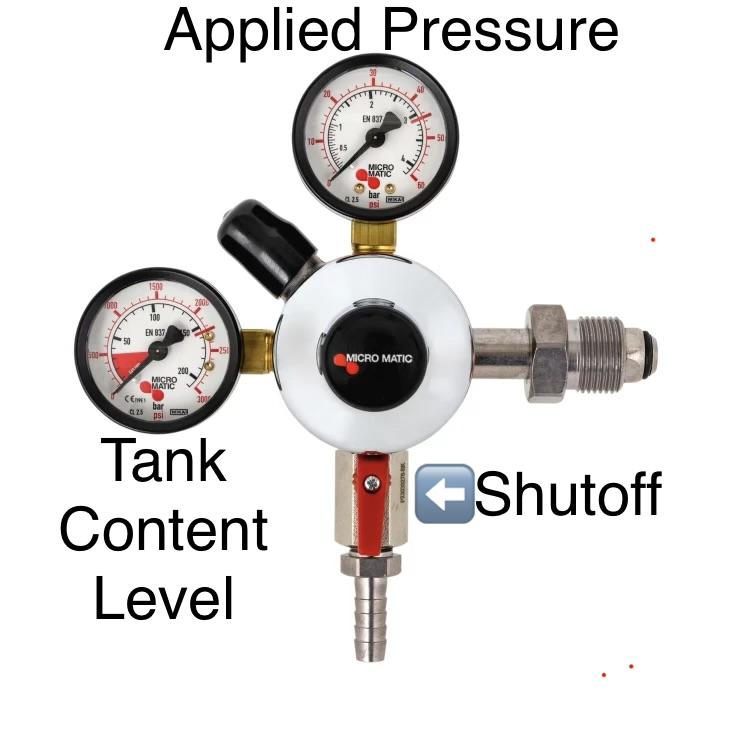
Tank content gauge: shows how much gas is left — replace with a full cylinder if it's near empty.
Applied (line) pressure gauge: shows what's being sent to the keg. Just note the reading.
Watch and listen for anything unusual: hissing, a needle stuck at zero, or frost on the tank.
Do not adjust the regulator. Note anything unusual and contact Mountain Draft Technician — don't turn any knobs yourself.
If the applied pressure reading is dropping, it's most likely because the cylinder is running empty — replace it with a full one rather than adjusting anything.
Step 2: Check Temperature First
Temperature causes more foam complaints than any other single factor. If a tap is pouring foamy, test temperature first — most foam problems are solved here without touching any equipment.
Why it matters
Target range: 36–38°F at the faucet for most ales and lagers.
Too warm: CO2 breaks out of solution inside the keg and line, producing foam — even half a degree above 38°F can do it.
Too cold: carbonation stays trapped in the beer, causing overfilled glasses and flat-tasting pours once served.
A cooler thermometer reading on target doesn't guarantee the beer itself is 38°F — always confirm with a glass pour, not just the box readout.
If the glass test reads above 38°F: stop. Fix the cooling source first (cooler temp, blocked vents, door left open, warm tower) and re-test before checking the coupler.
Also check for warm spots between the keg and faucet — an uninsulated tower, an exposed shank, or beer lines running near a heat source can all warm the beer after it leaves a perfectly cold keg.
Step 3: Inspect the Coupler Check Ball
If temperature checks out and the gas system looks normal, but the pour is still foamy, slow, or leaking, the check ball inside the coupler probe is the next most common culprit. The ball sits loose in the bottom of the probe — dried beer residue can cause it to stick in place.
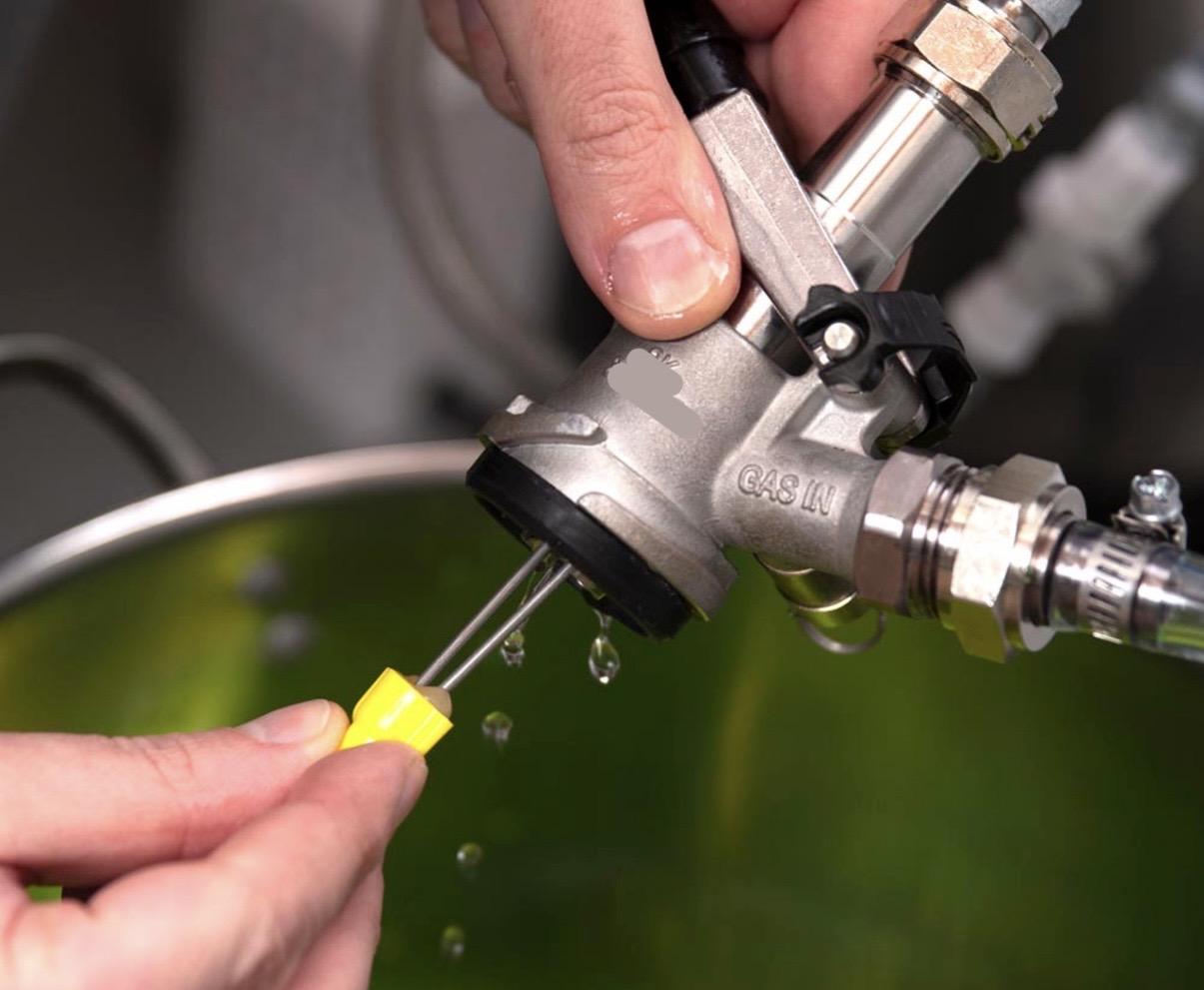
Gas inlet: connects to the regulator line.
Beer outlet: connects to the beer line.
Handle: locks the coupler onto the keg valve.
Probe: the part that extends down into the keg — the check ball sits loose at the bottom opening.
How to check if the check ball is stuck
Point the probe tip away from yourself and others before checking the ball — pressure or beer can release unexpectedly.
Disconnect the coupler from the keg (relieve pressure first by lifting the pressure-relief ring on the coupler).
Look up into the open bottom of the probe — the check ball should sit loosely in the opening and move freely when nudged.
With the probe pointed away from you, gently press the ball with a clean tool or your finger to break it free. It should pop loose and move freely.